


Luxury brands suffer slump as tourist spending falls in Europe and Japan - FT
RT.com
06 Aug 2025, 00:06 GMT+10
 Share
Share
 Tweet
Tweet
 Share
Share
 Flip
Flip
 Email
Email
Subscribe and Follow
Get a daily dose of Hong Kong Herald news through our daily email, its complimentary and keeps you fully up to date with world and business news as well.


News RELEASES
Publish news of your business, community or sports group, personnel appointments, major event and more by submitting a news release to Hong Kong Herald.
More InformationTrump targets Canada, Brazil, Switzerland in sweeping new tariff order
WASHINGTON, D.C.: With the clock ticking toward a self-imposed trade deal deadline, U.S. President Donald Trump has announced steep...
Powerful quake jolts Far East Russia, but no damage reported
MOSCOW, Russia: One of the most powerful earthquakes ever recorded — measuring 8.8 in magnitude — struck off the remote coast of Russia's...
Nvidia restarts H20 chip orders for China amid export license wait

BEIJING/SHANGHAI/NEW YORK: Nvidia has placed an order for 300,000 more H20 chips with contract manufacturer TSMC, two sources told...
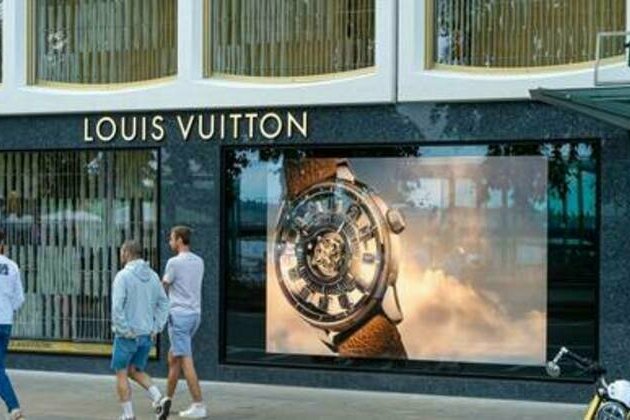
Luxury brands suffer slump as tourist spending falls in Europe and Japan - FT
Changes in currency exchange rates have discouraged American and Chinese travelers from spending, the paper writes ...
We support freedom of navigation, overflight, legitimate commerce through South China Sea: MEA

New Delhi [India], August 5 (ANI): India on Tuesday reiterated its steadfast position on the South China Sea, asserting its support...
We support freedom of navigational overflight, legitimate commerce through South China Sea: MEA

New Delhi [India], August 5 (ANI): India on Tuesday reiterated its steadfast position on the South China Sea, asserting its support...
EBA: No EU banks breach capital rules in trade war stress test
MILAN, Italy: European banks are well-positioned to absorb a significant economic downturn triggered by geopolitical conflict and a...
Armani hit with 3.5 million-euro fine over supply chain labor abuse
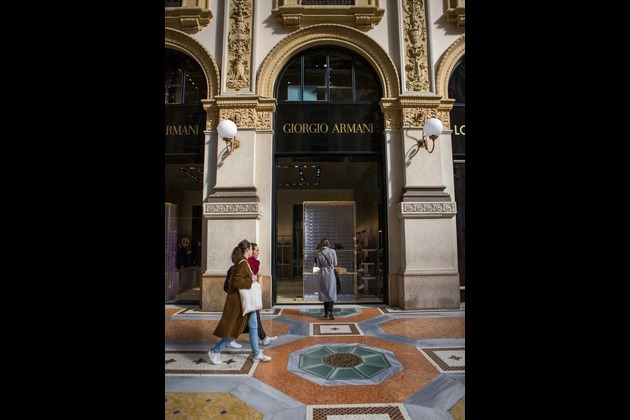
MILAN, Italy: Giorgio Armani is facing renewed scrutiny over labor conditions in its supply chain after Italy's antitrust authority...
U.S. coffee supply hit as Trump imposes 50% Brazil bean tariff
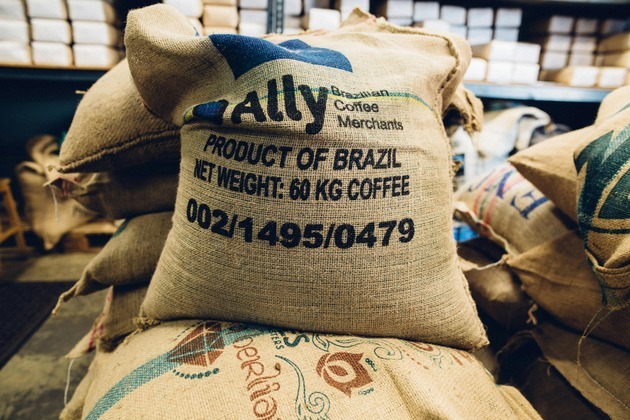
WASHINGTON, D.C.: A new 50 percent U.S. import tariff on Brazilian coffee is poised to shake up global trade flows, redirecting beans...
Nasdaq Composite climbs 403 points in positive start to week

NEW YORK, New York - U.S. stocks rebounded Monday with all the major indices pushing higher. Markets were boosted by Europe putting...
Backlash over American Eagle’s Sydney Sweeney advertisement

NEW YORK CITY, New York: American Eagle Outfitters, a popular U.S. clothing brand, wanted to grab attention with its new fall advertising...
Weak job data, big revisions revive case for Fed policy easing

WASHINGTON, D.C.: The U.S. labor market lost momentum in July, with job growth slowing more than expected and major downward revisions...
